


Psychological safety is the secret to building teams where everyone feels safe, valued, and heard. It’s about creating an environment where people can speak up, share ideas, and take risks without fear of judgment. This drives better communication, stronger engagement, and smarter problem-solving.
Here’s why it matters:
- Better Communication: Team members feel free to share concerns and ideas openly.
- Higher Engagement: People are more motivated and take ownership of their roles.
- Stronger Problem-Solving: Diverse perspectives lead to creative solutions.
To achieve this, leaders need to actively listen, encourage feedback, and create trust. Simple actions like showing vulnerability, valuing input, and setting clear expectations can make a big difference. When psychological safety is prioritized, teams thrive, innovate, and perform better.
Team Inclusion Basics and Problems
Defining Team Inclusion
Team inclusion means ensuring every member feels valued, respected, and empowered to contribute. It thrives when team members feel comfortable sharing ideas and challenging the status quo. This kind of environment boosts creativity, improves problem-solving, and strengthens overall team performance.
However, there are several challenges that can stand in the way of achieving true inclusion.
Common Inclusion Obstacles
Communication Barriers
- Differences in language and communication styles
- Unconscious biases affecting interactions
- Limited access to necessary resources
- Difficulties with virtual communication
Cultural Challenges
- Dominant voices overshadowing minority perspectives
- Assumptions about individual abilities
- Resistance to change within the team
- Exclusive networks that limit participation
Structural Issues
- Strict hierarchies that discourage open participation
- Absence of policies promoting inclusion
- Lack of proper training on inclusive practices
- Few opportunities for advancement
Effects of Poor Inclusion
When inclusion is lacking, it affects both team dynamics and overall business results:
| Impact Area | Short-term Effects | Long-term Consequences |
|---|---|---|
| Performance | Reduced collaboration, Missed insights | Lower innovation, Decreased productivity |
| Engagement | Limited participation, Hesitation to contribute | High turnover, Declining morale |
| Innovation | Fewer diverse perspectives, Risk aversion | Stagnation, Loss of competitive edge |
A lack of inclusion often leads to team members withdrawing from discussions and decisions, which reduces creativity and problem-solving abilities. Over time, this can increase workplace stress, absenteeism, and missed opportunities for innovation.
When individuals don’t feel included, they’re less likely to provide honest feedback or voice concerns about potential issues. This silence can result in costly errors and missed chances for improvement. Teams that struggle with inclusion also face difficulties adapting to change and maintaining strong performance during uncertain times.
Creating psychological safety is a key step in addressing these challenges and improving team dynamics.
How Psychological Safety Builds Better Teams
What Is Psychological Safety?
Psychological safety is the foundation of strong teams. It allows team members to take risks, share ideas, and speak openly without worrying about criticism or negative consequences.
Building Trust Through Open Communication
Leaders who actively listen and value every team member’s input create an environment of trust. At the Heart Leadership Institute Tapuat, this approach is key to fostering collaboration and engagement. When trust is present, teams can better harness diverse perspectives and work more effectively together.
Encouraging Safety in Diverse Teams
Diverse teams thrive when psychological safety is prioritized. It enables individuals to share their unique perspectives, question assumptions, and suggest new approaches. This shift from surface-level diversity to meaningful inclusion leads to better decision-making and stronger outcomes.
Direct Benefits of Psychological Safety
Better Team Communication
Psychological safety improves how teams communicate. Members feel free to share concerns, admit mistakes, and suggest new ideas without worrying about being judged. This openness allows teams to address problems quickly instead of letting them fester.
Experts note that in teams with psychological safety, conversations become more constructive. People feel comfortable asking questions, sharing different perspectives, and engaging in meaningful discussions – key ingredients for fostering inclusion. This level of communication also strengthens team involvement and connection.
Increased Team Engagement
When team members feel safe and valued, their engagement naturally increases. This leads to:
- More active participation in discussions and decisions
- Greater willingness to tackle tough projects
- Stronger dedication to team goals
- Higher job satisfaction and lower turnover rates
Leaders who focus on building trust and connection create stronger bonds within the team. When people see their contributions matter, they take ownership of their roles and responsibilities.
Better Problem-Solving
Strong communication and engagement set the stage for effective problem-solving. Teams can tap into their collective knowledge to find better solutions.
This shows up in several ways:
- Creativity: Members share bold ideas without hesitation.
- Risk Awareness: Different viewpoints help identify potential issues early.
- Stronger Decisions: A variety of perspectives ensures a thorough evaluation of options.
Supportive leadership amplifies this process by encouraging confident decision-making and helping teams handle challenges more effectively. This approach builds resilience and leads to smarter, more efficient solutions.
sbb-itb-6cc8587
Building a psychologically safe workplace | Amy Edmondson …
Steps to Build Safety and Inclusion
Creating psychological safety requires leaders to take clear, intentional steps to build trust and ensure everyone feels included.
Leadership Actions to Promote Safety
Leaders can establish trust by actively listening, admitting their own mistakes, and encouraging a variety of perspectives.
Here are some actionable steps:
- Show vulnerability: Share personal challenges and the lessons you’ve learned from them.
- Respond thoughtfully: Address concerns without jumping to judgment or criticism.
- Set clear expectations: Define team norms that prioritize respect and inclusion.
- Recognize contributions: Highlight diverse ideas and creative problem-solving.
These steps lay the groundwork for integrating Tapuat’s heart-centered leadership practices.
Heart Leadership Institute Tapuat Methods
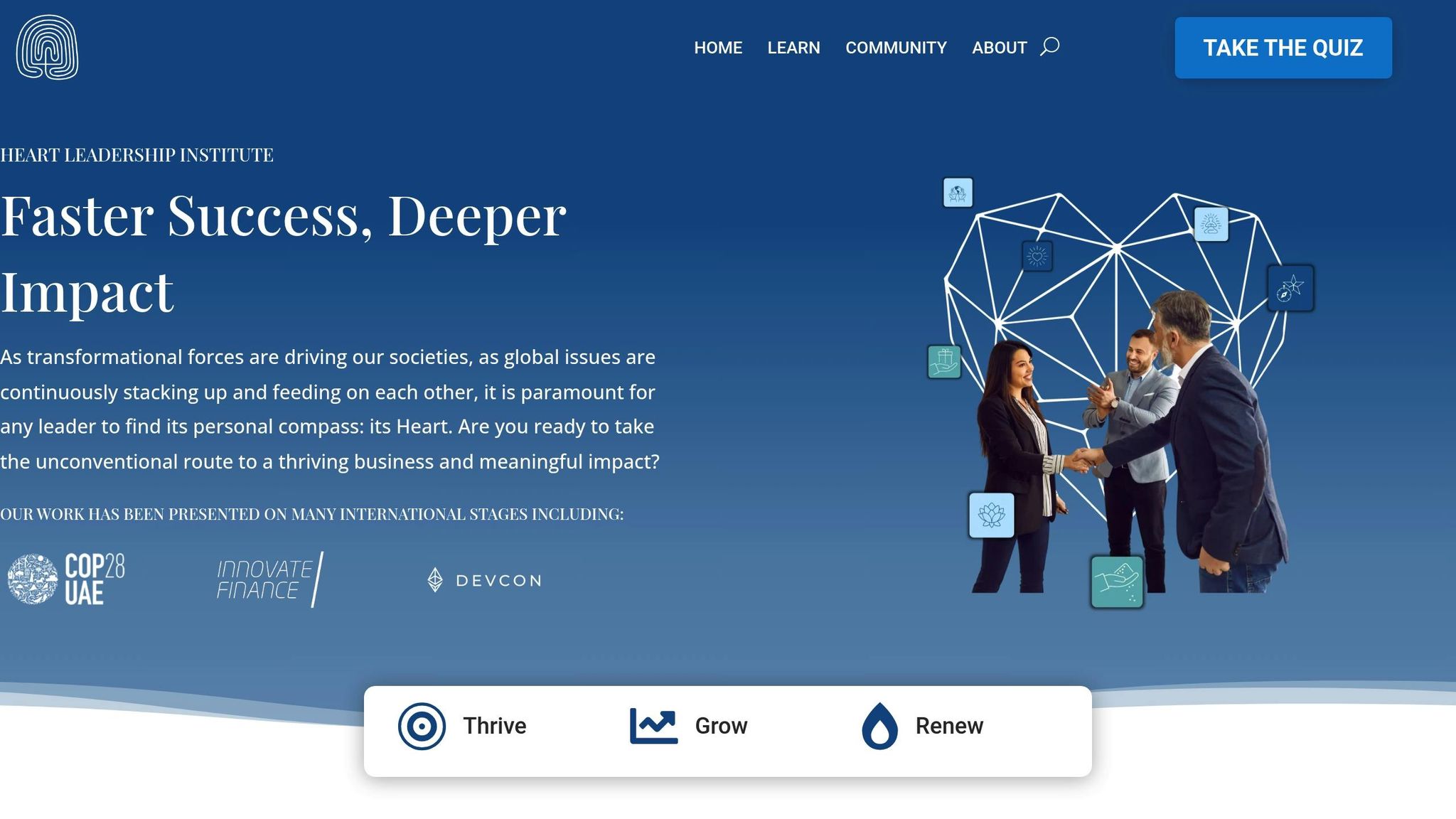
The Heart Leadership Institute’s Tapuat approach focuses on cultivating leaders who lead with empathy and authenticity. Their Heartful Method shifts traditional leadership styles by embedding principles that emphasize emotional connection and awareness. This method demonstrates how vulnerability in leadership can lead to measurable team success.
Comparing Safe and Unsafe Team Environments
Recognizing the differences between unsafe and psychologically safe environments underscores the value of inclusive leadership:
| Team Environment | Characteristics | Effects on Team Dynamics |
|---|---|---|
| Traditional | Rigid hierarchy, fear of failure | Stifles innovation and teamwork |
| Safe Team | Trust-driven, open to feedback | Encourages creativity, trust, and inclusion |
Tapuat’s Heartful Method focuses on fostering inner calm and mindfulness, creating a natural sense of safety where team members feel comfortable expressing themselves. This approach ties into the seven pillars of Heart Leadership, which support intuitive decision-making and deeper understanding in challenging situations.
Adopting heart-centered leadership principles allows leaders to create environments where:
- Team members feel confident sharing new ideas.
- Different viewpoints are actively encouraged and appreciated.
- Mistakes are reframed as opportunities to grow.
- Genuine, meaningful connections naturally develop.
Conclusion
Psychological safety plays a key role in creating teams that thrive on collaboration and new ideas. It’s the foundation for building inclusive environments where people feel comfortable sharing their thoughts and taking risks. Leaders who prioritize this kind of safety often see stronger team connections and better results.
Many leaders have shared how heart-centered approaches can reshape team dynamics, encouraging genuine contributions and fostering growth. The Heart Leadership Institute Tapuat‘s Heartful Method offers a structured way to incorporate these principles and build psychological safety within teams.
By adopting heart-centered leadership, organizations can create spaces where:
- Decision-making becomes more intuitive, even in complex situations
- Creative problem-solving and innovation emerge naturally
- Team members develop genuine trust and stronger relationships
- Different perspectives are actively encouraged and appreciated
Achieving psychological safety isn’t a one-time effort – it takes consistent dedication. Using the Heartful Method, leaders can create workplaces where every team member feels respected, valued, and motivated to give their best. This, in turn, strengthens team cohesion and enhances overall performance.
When leaders focus on both safety and inclusion, they unlock their teams’ ability to innovate, collaborate, and achieve long-term success.
FAQs
How can leaders build psychological safety to promote inclusion in diverse teams?
Leaders can foster psychological safety by creating a workplace culture where team members feel valued, respected, and comfortable sharing their ideas and concerns. This means encouraging open communication, embracing diverse perspectives, and normalizing learning from mistakes without fear of judgment.
By prioritizing emotional intelligence and self-awareness, leaders can better understand their teams’ needs and cultivate trust. Approaches like heart-centered leadership help leaders navigate challenges with empathy and clarity, enabling them to inspire collaboration and inclusion naturally. This not only strengthens team dynamics but also drives meaningful, positive change within organizations.
How can teams overcome common challenges to building inclusion?
Creating a truly inclusive team starts with addressing psychological safety. When team members feel safe to express themselves without fear of judgment or retaliation, they are more likely to contribute authentically and collaborate effectively.
The Heart Leadership Institute emphasizes heart-centered leadership principles to foster inclusion. Through practices like the Heartful Method and Heartful Guidance, leaders can cultivate empathy, build meaningful connections, and create environments where everyone feels valued. These approaches encourage emotional intelligence and self-awareness, empowering leaders to address challenges with clarity and compassion.
Prioritizing psychological safety and authentic communication can transform team dynamics, making inclusion a natural and sustainable part of your organizational culture.
How does psychological safety enhance team innovation and overall performance?
Psychological safety creates an environment where team members feel safe to express their ideas, take risks, and share concerns without fear of judgment or retaliation. This openness encourages creativity and enables teams to tackle challenges with innovative solutions.
When individuals trust that their contributions are valued and respected, collaboration improves, and teams are more likely to achieve higher levels of performance. By fostering psychological safety, leaders can build stronger, more inclusive teams that drive meaningful results.
Related posts
- Active Listening for Psychological Safety in Teams
- How Psychological Safety Improves Workplace Well-Being
- Creating Psychological Safety for Open Disagreement
- Heart-Centered Leadership and Psychological Safety
Measure your own leadership coherence
The Heart Leadership Index is a structured self-assessment: 35 questions across seven pillars, about seven minutes, and your map is yours to read.
Take the HLI free